Education
Artificial Intelligence in Neurosurgery: The Rise of Intelligent Surgical Planning
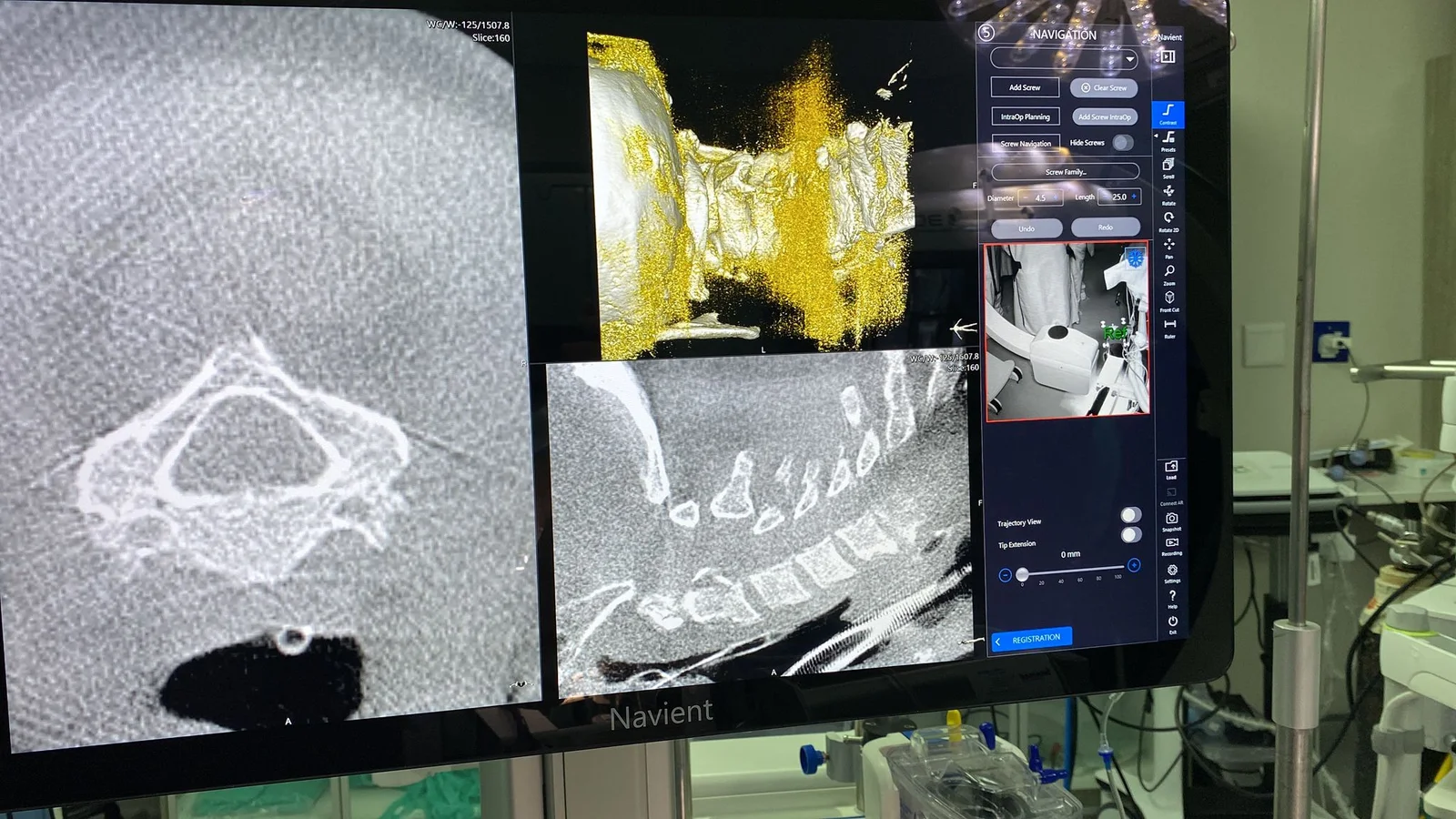
Artificial Intelligence (AI) is emerging as one of the most powerful tools in neurosurgery, offering data-driven insights that are reshaping preoperative planning, intraoperative decision-making, and postoperative outcomes. In 2025, AI-driven platforms are bridging the gap between clinical expertise and computational intelligence, enabling neurosurgeons to deliver safer and more personalized care.
The Current Role of AI in Neurosurgery
Modern neurosurgery involves massive amounts of imaging data, patient history, and procedural complexity. Traditionally, surgeons relied solely on experience and existing guidelines. AI now introduces algorithms capable of analyzing thousands of cases, identifying patterns, and generating patient-specific insights that augment a surgeon’s expertise.
“AI doesn’t replace clinical judgment—it enhances it, giving us a clearer, data-backed picture of what lies ahead.”
— Prof. Daniel Kim, Head of Neurosurgery, Johannesburg General Hospital
Key Benefits of AI-Driven Surgical Planning
Personalized Care
AI models analyze patient-specific data, tailoring surgical strategies for improved safety and outcomes.
Predictive Analytics
Algorithms forecast potential complications, helping surgeons plan risk-mitigation strategies before entering the OR.
Enhanced Imaging Interpretation
Deep learning accelerates MRI and CT scan interpretation, highlighting tumor boundaries and vascular networks with unmatched accuracy.
Workflow Optimization
AI automates routine tasks like segmentation, freeing up surgeons to focus on high-level decision-making.
Clinical Applications
Tumor Resection – AI identifies tumor margins invisible to the human eye, improving precision in resections.
Spinal Surgery – Predictive models assist in hardware placement and reduce revision rates.
Emergency Neurosurgery – Rapid AI-assisted image triage shortens time-to-intervention in trauma cases.
The Road Ahead
Future AI developments include:
Real-Time Decision Support – AI providing intraoperative suggestions based on live imaging.
Global Data Sharing – Federated learning systems enabling hospitals worldwide to contribute anonymized data, accelerating innovation.
AI + AR Integration – Combining predictive intelligence with augmented visualization for a fully immersive surgical experience.
Conclusion
AI in neurosurgery is moving beyond research into real-world practice, where it is enhancing accuracy, safety, and patient outcomes. As platforms continue to evolve, surgeons equipped with AI insights will be able to deliver more personalized, efficient, and effective care than ever before.
The Current Role of AI in Neurosurgery
Modern neurosurgery involves massive amounts of imaging data, patient history, and procedural complexity. Traditionally, surgeons relied solely on experience and existing guidelines. AI now introduces algorithms capable of analyzing thousands of cases, identifying patterns, and generating patient-specific insights that augment a surgeon’s expertise.
“AI doesn’t replace clinical judgment—it enhances it, giving us a clearer, data-backed picture of what lies ahead.”
— Prof. Daniel Kim, Head of Neurosurgery, Johannesburg General Hospital
Key Benefits of AI-Driven Surgical Planning
Personalized Care
AI models analyze patient-specific data, tailoring surgical strategies for improved safety and outcomes.
Predictive Analytics
Algorithms forecast potential complications, helping surgeons plan risk-mitigation strategies before entering the OR.
Enhanced Imaging Interpretation
Deep learning accelerates MRI and CT scan interpretation, highlighting tumor boundaries and vascular networks with unmatched accuracy.
Workflow Optimization
AI automates routine tasks like segmentation, freeing up surgeons to focus on high-level decision-making.
Clinical Applications
Tumor Resection – AI identifies tumor margins invisible to the human eye, improving precision in resections.
Spinal Surgery – Predictive models assist in hardware placement and reduce revision rates.
Emergency Neurosurgery – Rapid AI-assisted image triage shortens time-to-intervention in trauma cases.
The Road Ahead
Future AI developments include:
Real-Time Decision Support – AI providing intraoperative suggestions based on live imaging.
Global Data Sharing – Federated learning systems enabling hospitals worldwide to contribute anonymized data, accelerating innovation.
AI + AR Integration – Combining predictive intelligence with augmented visualization for a fully immersive surgical experience.
Conclusion
AI in neurosurgery is moving beyond research into real-world practice, where it is enhancing accuracy, safety, and patient outcomes. As platforms continue to evolve, surgeons equipped with AI insights will be able to deliver more personalized, efficient, and effective care than ever before.